Tacha reflectiva and ojos de gato vial are indispensable and important equipment in highway traffic. They play a vital role in ensuring traffic safety, optimizing road design and improving driving experience. Although tacha reflectiva and ojos de gato vial have similar names and have a lot of functional overlap, they have significant differences in their construction, materials, installation locations, and specific applications. This article will explore in detail the differences between tachas reflectivas and ojos de gato vial to better understand their role in road traffic and the basis for their selection.
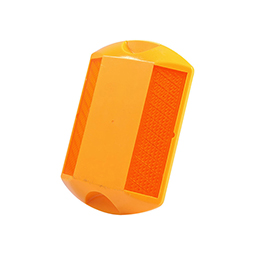
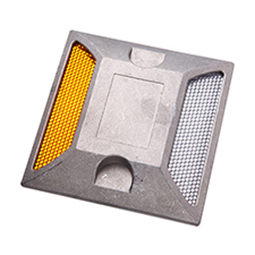
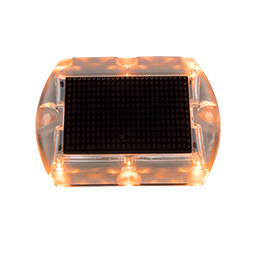
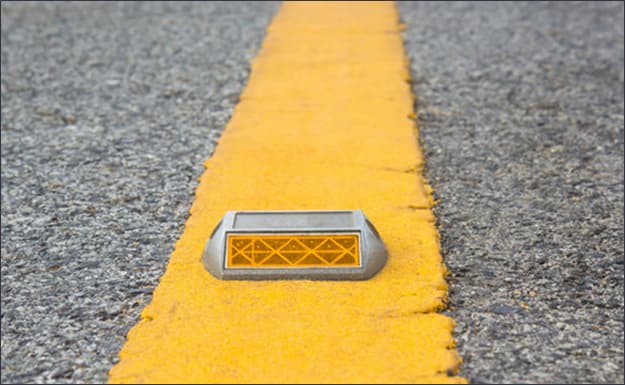
Tachas reflectivas, also known as tachas reflectivas, are a type of traffic facility installed on the road surface and are mainly used for road markings and lane separation. tachas reflectivas are typically made from a hard, durable material such as cast iron, plastic, or ceramic, and are covered with reflective material. These reflective materials can reflect vehicle lights at night or in conditions of low visibility, thereby helping drivers to clarify lane boundaries and improving driving safety.
The main functions of tachas reflectivas include:
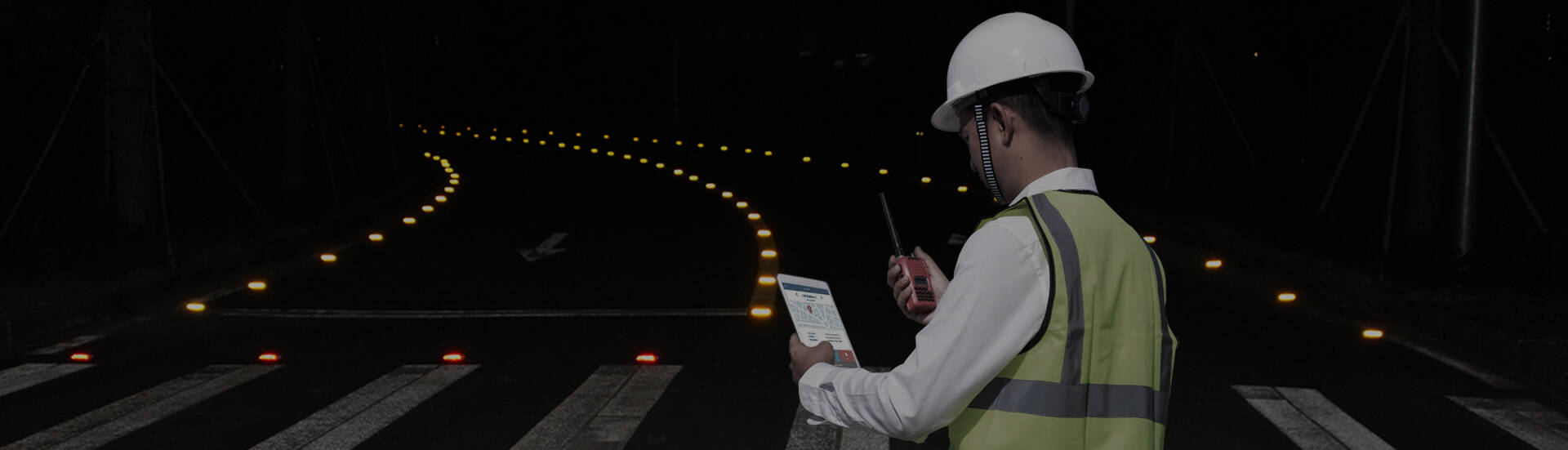
Lane separation: tachas reflectivas are often used to mark lane lines, especially at night or in conditions of low visibility such as rain and fog. They can clearly reflect the boundaries of the lane, prevent vehicles from deviating from the lane, and avoid traffic accidents.
Deceleration reminder: In some road sections where deceleration is required, such as near schools, sharp bends or in front of intersections, tachas reflectivas can remind drivers to slow down through their raised shapes.
Navigation guidance: tachas reflectivas are sometimes installed on the centerline or edge of the road to help drivers maintain the correct direction at night or in bad weather.
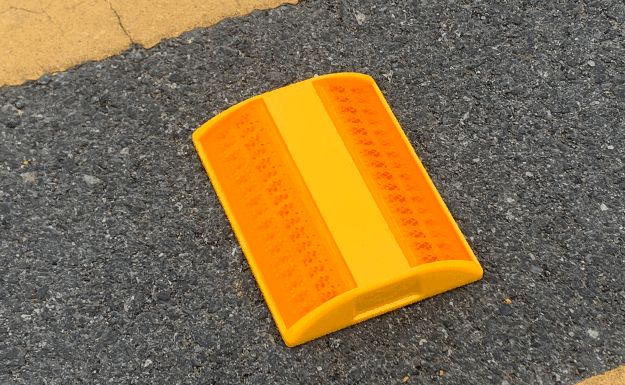
Ojos de gato vial, as the name suggests, look and function like a cat's eye. The design of ojos de gato vial is inspired by the ability of cat eyes to reflect light at night. ojos de gato vial are usually equipped with a type of reflector or optical glass that reflects the light from the vehicle's headlights back into the driver's field of vision, making them stand out in the dark.
The main functions of ojos de gato vial include:
Reflective enhancement: ojos de gato vial can reflect the light of vehicle headlights, helping drivers see road signs more clearly at night or in low-visibility conditions, especially on roads without street lights.
Durability: ojos de gato vial are typically made from high-strength materials that can withstand repeated crushing by heavy vehicles while maintaining their reflective properties.
Guidance function: ojos de gato vial are often installed on the center line of the road, lane dividers or road edges to guide vehicles to drive in the correct lane, especially on complex road sections with obstructed vision, such as mountain roads or tunnels.
Although tachas reflectivas and ojos de gato vial have many similarities in function, they have the following key differences in structure, materials, use environment, etc.:
Tachas reflectivas: Reflective coatings or reflective sheets are usually used to achieve the reflective effect. The reflective intensity depends on the incident angle of the light and the performance of the reflective material.
ojos de gato vial: Built-in reflective lens or optical glass, which can reflect light more concentratedly and effectively. Since the reflective device inside the ojos de gato vial is optically designed, its reflective effect is particularly noticeable at night or in low-visibility conditions.
Tachas reflectivas: Relatively simple designs, usually flat or slightly raised structures that are easy to install and maintain. tachas reflectivas come in various shapes, including square, round or rectangular, and are mainly selected based on the type of road and application scenario.
ojos de gato vial: A more complex design, usually containing multiple reflectors or lenses and a convex shape. This design not only enhances its reflective properties but also increases its durability in harsh conditions.
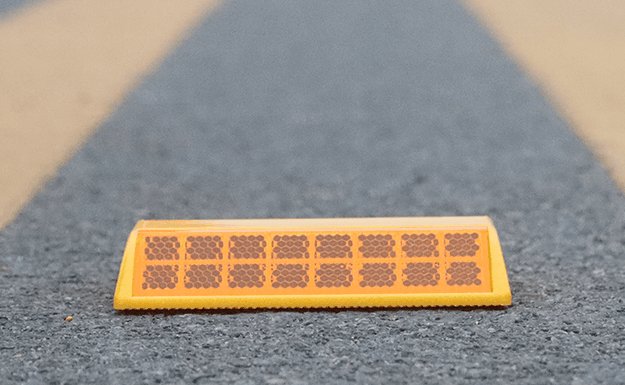
Tachas reflectivas: Mostly made of metal, plastic or ceramic materials, they have high strength and wear resistance and can adapt to different types of road conditions. However, the reflective material of ordinary tachas reflectivas can gradually fail over time, especially under the pressure of frequent traffic.
ojos de gato vial: Made of high-strength metal or glass, especially the internal reflective device is usually made of high-quality optical glass or special materials, which has a longer service life and greater durability. ojos de gato vial can still maintain their reflective properties after being exposed to the natural environment for a long time.
Tachas reflectivas: widely used in urban roads, highways, parking lots and other places, mainly play the role of marking and separating lanes. tachas reflectivas are commonly used on flat roads and are suitable for areas with dense traffic.
ojos de gato vial: usually used in road environments with low visibility, such as at night, foggy days or unlit roads, especially on suburban roads, mountain roads, tunnels or temporary construction sections, where their reflective effect is extremely important. In addition, ojos de gato vial are also widely used on highways and high-risk road sections to improve driver attention.
When choosing tachas reflectivas or ojos de gato vial, there are several factors to consider, including road environment, traffic volume, maintenance needs and cost. Here are some suggestions for selection:
Road environment: If it is in urban areas or on roads with heavy traffic, ordinary tachas reflectivas can already meet most marking needs; but in rural areas or on roads with low visibility, the high reflective performance of ojos de gato vial is more suitable.
Durability requirements: For applications that require long-term durability, such as highways or areas prone to severe weather, ojos de gato vial are often a better choice due to their material and structural advantages.
Installation and maintenance costs: The cost of ordinary tachas reflectivas is relatively low, suitable for large-scale applications, and maintenance is relatively simple. Due to its complex structure and high cost, ojos de gato vial are usually used in scenarios with higher requirements.
Traffic safety requirements: On roads with a high risk of traffic accidents or dangerous roads with limited visibility, priority should be given to the use of ojos de gato vial to enhance safety at night and in bad weather.
As an important part of road traffic facilities, tachas reflectivas and ojos de gato vial play an important role in ensuring driving safety and guiding traffic flow. They each have their own characteristics and are suitable for different road environments and usage scenarios. By understanding the differences between tachas reflectivas and ojos de gato vial, traffic engineers and planners can better select and apply these devices to make road traffic safer and more efficient.
Whether on busy urban roads or remote mountain roads, tachas reflectivas and ojos de gato vial provide drivers with important visual guidance and safety. With the continuous development of transportation technology, it is believed that these road facilities will continue to be optimized and upgraded to protect the public's travel.
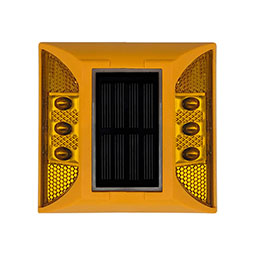
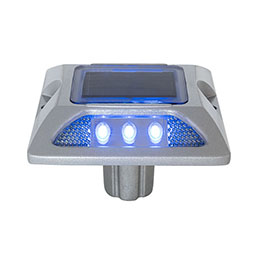
Tachas solares can be classified by material:
Aluminum tachas solares: pressure-resistant, durable, suitable for heavy-loaded vehicles. Suitable for highways and main roads with heavy traffic.
Plastic tachas solares: low price, light weight, suitable for low-traffic areas. Suitable for parking lots, campus internal roads, etc.
Glass tachas solares: high reflective performance, beautiful, suitable for decorative scenes. Mostly used for landscape roads and sidewalks.